The state of Keralam has reported 16 new cases of Shigella infection as of June 12 in Wayanad with new cases in Thiruvananthapuram, Kollam and Kozhikode districts too. The Directorate of Health Services of Keralam confirmed 38 cases of infection and one death so far this June. As of January 1, the state has confirmed 114 cases, with 80 suspected cases and two deaths till date, according to a PTI report.
As the disease has raised serious concerns because it is highly contagious, here is everything you should know about the disease:
What is Shigella?
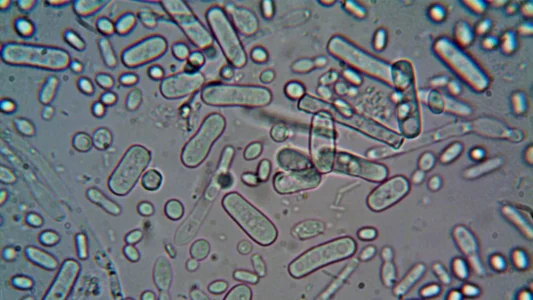
Shigella is a disease caused by a highly contagious infection caused by the Shigella bacterium, causing a fatal infection called Shigellosis. According to the National Institute of Health, the bacteria were discovered by a Japanese physician ad bacteriologist Kiyoshi Shiga in 1896, who isolated the organism during a massive dysentery epidemic in Japan.
Symptoms of disease
According to the World Health Organization, one of the primary symptoms of Shigella include dysentery; others include severe abdominal pain, fever, along with nausea and vomiting. The symptoms of the disease can usually be seen within one to three days.
Cause of the infection
Shigella is known to be a highly contagious disease. It usually spreads through the faecal-oral route, and it takes a microscopic amount of bacteria to spread the disease. It primarily spreads through contaminated food or water, or through contact with infected individuals.
Vulnerable groups
Healthy individuals and people with stronger immune systems will be able to manage but those vulnerable need to be careful. Children and elderly individuals, especially those with weaker immune systems or those undergoing treatment need to take care as it can lead to severe complications that could require immediate medical attention, says the WHO. Additionally, tourists travelling to the affected areas also need to be careful.
As Shigella spreads in Keralam, here’s what you should know about the disease