True inflammation is a natural and vital part of the body’s healing process, yet modern daily routines often push this biological mechanism into overdrive. When inadequate sleep, chronic psychological stress, erratic meal timings, excessive processed foods, and a sedentary lifestyle become the long-term norm, they quietly drive chronic low-grade inflammation. This systemic state drains your energy, compromises immune resilience, and shapes how you feel day to day.
High atmospheric humidity does not directly trigger inflammation within the body, but it heavily disrupts hydration, appetite patterns, sleep quality, and daily stamina, creating an environment where seasonal sluggishness takes root.
Rather than chasing fleeting superfoods or turning to restrictive fads, building a truly sustainable wellness kitchen comes down to stocking basic, highly nutritious staples that you can effortlessly integrate into your everyday life. Maintaining steady energy and controlling systemic inflammation doesn’t require a radical kitchen overhaul—it starts right in your pantry. Amid the ongoing National Nutrition Week, observed from September 1 to 7 every year, dietitian Amreen Sheikh, chief of dietician at KIMS Hospitals in Thane, shares practical, expert strategies for transforming everyday staples into functional, anti-inflammatory fuel.
Taming energy crashes with smart pantry pairings
When your schedule is unpredictable, your blood sugar doesn’t have to pay the price. Reaching for a quick sugary snack when hunger hits create a rapid spike and subsequent crash. “If someone’s meal timings are unpredictable, pairing a fibre-rich carbohydrate with protein or a healthy fat helps keeping the blood sugar steadier. Try oats with nuts and seeds, whole-grain toast with peanut butter, or lentils with vegetables and a little olive oil. The fibre slows digestion, while protein and fat improve satiety. This is more useful than relying on sugary snacks when hunger suddenly hits,” explains Sheikh.
The ultimate daily micro-habit for inflammation
Chasing complicated “detox” trends rarely yields lasting results. Instead, focus on a high-return-on-investment daily habit that takes seconds to implement. “A simple habit is adding a tablespoon of mixed seeds such as flax, chia and pumpkin seeds to breakfast. They provide fibre, healthy fats and plant compounds that support overall metabolic health. The key is consistency rather than chasing a particular ‘detox’ drink. Seeds can be added to curd, oats, smoothies or even a simple vegetable meal,” she suggests.
Systematically auditing your pantry
Hidden inflammatory ingredients often lurk in plain sight behind clever marketing on the front of packaging. “Start by reading the ingredient list, not just the front of the packet. Look for products high in added sugar, refined flour and repeatedly used saturated or highly processed fats. Compare similar products and choose those with shorter ingredient lists, more fibre and less added sugar. Replace sugary cereals with oats, refined snack foods with nuts or roasted chana, and heavily processed spreads with nut butters that have minimal added ingredients,” recommends Sheikh.
Unlocking the power of spices
Certain anti-inflammatory compounds need a little assistance to cross the intestinal barrier and enter your bloodstream effectively. “Turmeric is the classic example. Curcumin, one of its active compounds, is absorbed better when turmeric is consumed with a source of fat. Black pepper contains piperine, which can also increase curcumin absorption. A practical option is using turmeric and black pepper while cooking vegetables, dal or eggs with a little oil. Ginger, garlic, cinnamon and herbs can also add useful plant compounds, though they do not all require a specific pairing for absorption,” she clarifies.
Navigating canned and dried goods
Convenience foods like canned fish, beans, and lentils can be nutritional powerhouses, but manufacturing processes can quietly undermine their benefits. “Canned lentils, beans and fish can be convenient, nutritious choices. The main thing to check is sodium. Choose low-sodium options and always rinse canned beans or lentils before eating. With packaged foods, always inspect the ingredient list and products with excessive added salt, sugar or heavily processed sauces should always be avoided. The food itself may be healthy, but the formulation can change its nutritional value,” the city-based cautions.
Stocking your anti-inflammatory pantry essentials
According to Dr Rohini Patil, author, nutritionist, and founder of Nutracy Lifestyle, creating an anti-inflammatory kitchen doesn’t mean stripping your diet of all the foods you love. The goal is simply to keep wholesome, accessible ingredients on hand so your plate naturally centres on fresh vegetables, lean protein, whole grains, healthy fats, and unprocessed foods.
1. Nuts and seeds: Keep walnuts, almonds, flaxseeds, chia seeds, and pumpkin seeds handy. They offer healthy fats, dietary fibre, magnesium, and essential micronutrients. Ground flaxseed or chia seeds can easily be stirred into curd, smoothies, or morning meals to boost nutritional density.
2. Turmeric and other spices: Turmeric contains curcumin, an active compound widely studied for its powerful anti-inflammatory properties. Make sure to use turmeric regularly in your cooking along with other warming spices like ginger, garlic, cinnamon, cumin, and black pepper to support overall vitality.
3. Whole grains and millets: Stock your kitchen with grains like oats, brown rice, quinoa, and traditional Indian millets such as jowar, bajra, ragi, and foxtail millet. These provide quality fibre and complex carbohydrates that help regulate blood sugar levels far more effectively than refined alternatives.
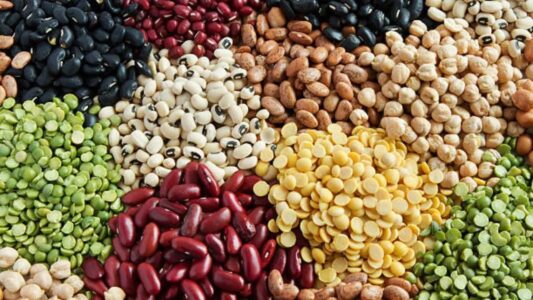
4. Pulses and legumes: Keep versatile legumes like moong dal, masoor dal, chickpeas, and rajma readily available in your pantry. They provide steady, plant-based protein and sustained energy without digestive strain.
5. Canned or frozen fish: For non-vegetarians, sardines, salmon, and mackerel are exceptional sources of omega-3 fatty acids, which actively help combat inflammation. Keeping fresh fish or good-quality canned options on hand makes it much easier to include them regularly during busy work weeks.
6. Antioxidant-rich foods: Amla, berries, pomegranate, tomatoes, leafy greens, and colourful seasonal vegetables provide vitamin C, polyphenols, carotenoids, and other protective antioxidant compounds. Both fresh and frozen options work well depending on seasonal availability.
7. Fermented foods: Unsweetened curd, yoghurt, and other suitable fermented foods support optimal gut health. Because the gut and immune system are closely interconnected, maintaining a thriving gut microbiome is a cornerstone of long-term wellness.
8. Never neglect your hydration: In humid or hot weather, proper fluid intake is non-negotiable. Make sure to drink plenty of water throughout the day, and incorporate hydrating whole foods like cucumber, watermelon, citrus fruits, and buttermilk. Electrolytes can also be helpful if you are sweating heavily, although not everyone requires them.
National Nutrition Week 2026: How you can build the anti-inflammation pantry