As the festive season arrives, millions across India gear up for Navratri. For many, the nine-day period is a time of spiritual reflection, cleansing, and devotion. However, in contemporary wellness culture, it has also become synonymous with something entirely different: a convenient crash diet to drop kilos fast.
All too often, the idea of fasting for nine days slowly devolves into eating as little as possible. Some people survive on a minuscule portion of fruit and a handful of nuts, trying simply to drag themselves through the day. Others lean heavily into greasy vrat snacks like kuttu puris, potato chips, or deep-fried sabudana, convinced they are sticking to a diet because it carries the label of fasting.
But clinical nutritionists warn that severe calorie restriction triggers a profound survival response, spikes cortisol, and ultimately wreaks havoc on your metabolic rate. This Navratri, nutrition experts help you look beyond the superficial drop on the bathroom scales and understand how the body actually responds to prolonged restriction.
The post-fast weight rebound: What goes up, must come down
One of the most frustrating phenomena of festival fasting is the post-fast rebound. Why do people so often gain back all the weight, plus a little extra, the moment they transition back to a normal diet?
According to Dr Rohini Patil, author, nutritionist, and founder of Nutracy Lifestyle, the rapid weight gain after Navratri is rarely a direct consequence of the fasting ritual itself. Instead, it is a reflection of how strict the diet was and how the body is treated afterward.
Dr Patil explains, “The weight rebound is not mainly because of Navratri fasting itself; it is more about how strict the diet was and what follows that period. When a fast is very strict, people eat fewer calories and may lose a little body weight. However, the first drop in weight can also come from changes in glycogen and water stores. When normal food is eaten again, those stores refill, so a bit of weight return is completely normal.”
The true danger lies in the psychological and physiological reward eating that follows nine days of deprivation. As Dr Patil points out, “The bigger problem is the reward eating that can follow nine days of restriction. People often eat portions of fried Navratri fasting foods, sweets, refined carbohydrates, and calorie dense snacks. Furthermore, severe restrictions can also make it hard to maintain eating habits later.” While research shows that intermittent fasting can help with weight loss, the nutritionist emphasises that long term success depends on steady energy intake and good food quality, not fasting alone.
To prevent the dreaded rebound, she recommends a gentle, intentional transition, “To avoid rebound, I recommend a transition. Bring back meals that have enough protein, vegetables, fibre rich carbohydrates, and healthy fats. Keep physical activity and do not treat the end of Navratri as a free pass to overeat. The goal should be a routine, not a cycle of restriction followed by indulgence.”
The survival trap: What happens inside the body?
When someone slashes their calorie intake drastically for nine days, the body does not quietly sit back and burn fat unhindered. Dietician and certified diabetes educator Archana Batra explains that the body immediately begins making adjustments because it has less energy coming in.
Batra details the physiological shift, “When people suddenly cut their food intake drastically, the body doesn’t just sit quietly and burn fat. It starts making adjustments because it has less energy coming in. Your body can reduce energy expenditure, hunger can increase and you may also lose lean tissue along with fat.”
While the term ‘survival mode’ is frequently thrown around in diet culture, Batra notes, “It is not a switch that suddenly turns on after a few days. The body gradually makes adjustments when energy intake stays very low.” When a person eats very little for multiple days, Batra highlights her primary concern, “I would be more concerned about what they are losing along with the weight. The body needs energy not only for exercise but also for basic functions, and when food is very restricted, it has to make changes.”
Hydration and Electrolytes: Preventing metabolic fatigue
Fasting often coincides with hectic schedules, warm weather, and long hours without fluids, making proper hydration an essential pillar of health. However, Dr Patil clarifies a common misconception: dehydration does not directly slow down your metabolism. Instead, “What it can do is cause symptoms like fatigue, headaches, dizziness, and constipation. These symptoms can make a person feel tired. Affect how they function daily.”
To protect your energy levels and safeguard your metabolism, Dr Patil advices to keep these core hydration principles in mind:1. Distribute fluids evenly: The first thing to focus on is making sure non-fasting hours are used well. It’s better to drink water throughout the day instead of trying to drink a lot all at once.2. Leverage water-rich produce: Incorporate hydration-friendly whole foods into your meals, as “Foods with water content, such as watermelon, cucumber, citrus fruits, and other fresh fruits, also help with fluid intake.3. Approach electrolytes sensibly: Electrolytes like sodium and potassium are vital for fluid balance, but healthy individuals usually don’t need to use commercial electrolyte drinks every day. If someone loses a lot of fluid due to sweating, vomiting, or diarrhoea, then replacing electrolytes might be necessary.4. Limit caffeine reliance: Be mindful of your stimulant intake because caffeine can sometimes worsen dehydration. Cause jitters.5. Recognise warning signs: Fasting may lead to dizziness, extreme weakness, confusion, or very little urine output. If your body sends critical distress signals, it’s important to stop the fast and seek medical advice right away.
The cortisol connection and body composition
Another major concern during strict fasting is the elevation of stress hormones. Batra notes, “Fasting can increase cortisol, particularly when the restriction is severe.” However, she warns against oversimplifying the science, stating that it would be too simple to say that cortisol alone causes belly fat. “Cortisol should not be blamed for every bit of abdominal fat. It is only one part of a much bigger picture.”
She lists factors that influence physical health and composition:
1. Lifestyle variables: Sleep, stress, overall food intake, activity, hormones and body composition all these things also matter a lot.2. The hidden cost of stress: The bigger concern with extreme fasting is that you are putting your body under unnecessary stress while also not giving it enough nutrition.3. The reality of scale weight: During a strict crash diet, a person may see the scale drop quickly during a prolonged fast, but that number is not pure body fat. Water and fat-free mass can also fall.4. Protecting lean muscle: She cautions that while the quick drop on the weighing scale can feel exciting, but I don’t want people to assume that all of it is fat. Losing muscle is not something I would consider a success just because the number on the scale is lower.
Balancing blood sugar and avoiding the fried trap
For individuals who experience extreme fatigue, headaches, or mood swings while fasting, the structure of their meals makes all the difference. Dr Patil points out that many people mistakenly turn fasting days into an excuse to consume refined carbohydrates and sugary treats, “The main thing is not to make fasting meals about refined carbs or sweet things. When people end a fast with items like candy, large amounts of potatoes, or heavily processed snacks, they might take in a lot of calories but not enough protein, fibre, or important nutrients.”
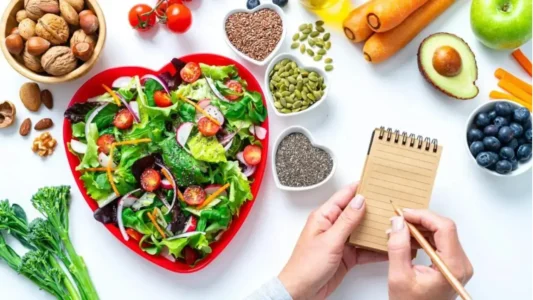
Instead, Dr Patil suggests practical, wholesome modifications, “I suggest making each meal include a source of protein, carbs that have fibre, healthy fats, and veggies or fruit. During Navratri, based on how each person fasts, good choices can be milk or yogurt, paneer, nuts and seeds, plus fruits. Allowed whole-food sources of carbs include amaranth, buckwheat, or other traditional grains used for fasting. The specific options should respect the person’s fasting rules and their health needs.”
Batra echoes this sentiment, emphasising that “Fasting does not mean that you have to survive only on kuttu puris, potato chips or sabudana that is fried in a lot of oil. Instead, meals can also include kuttu or rajgira roti with curd, paneer with vegetables, makhana, fruits, nuts and seeds, depending on the person’s fasting rules.” Batra poses, “The idea is not to make Navratri another crash diet. Have proper food when you are eating, add some protein, include vegetables or fruit, use nuts and seeds sensibly and don’t depend only on fried vrat snacks.”
A sustainable blueprint for a healthy reset
Ultimately, a balanced fasting day can be both spiritually fulfilling and physically nourishing. Dr Patil prefers to view Navratri as a time to simplify one’s diet and focus on food quality, “I don’t see it as a period of starvation or a way to boost metabolism quickly. There is no food that can magically speed up metabolism. What really matters is getting nutrients, eating the right amount of energy, staying active, getting good sleep, and being consistent.”
A balanced daily routine can be structured around the following elements:
1. The morning start: Begin with water and a nutrient-rich breakfast, such as fruit with curd plus some nuts and seeds.2. The primary meal: You can have a permitted grain like buckwheat or amaranth along with vegetables, curd or paneer, and a small amount of healthy fat.3. Thoughtful snacking: If needed, a piece of fruit or a handful of nuts makes a snack.4. The evening meal: The evening meal should include protein, vegetables, and a source of allowed carbohydrates. It’s not about surviving on potatoes, sabudana, fried snacks, or sweets just because they are often seen as fasting foods.
Summarising her golden rule, Dr Patil states, “My golden rule is simple: Do not confuse fasting with starving. A religious fast should not mean depriving the body of essential nutrients for nine days. The objective should be to follow your practice while still respecting your body’s nutritional requirements.”
Batra reminds us that “The goal during Navratri is not to see how less quantity of food can someone survive for nine days. A fasting routine can still include enough nourishment to support energy, muscle and everyday functioning of the body.” Ultimately, the healthiest fast is one that harmonises faith and wellness, ensuring that you nurture your body rather than sacrificing your long-term health for the sake of temporary restriction.
The Metabolism Myth: Why starving for 9 days actually slows down your fat loss