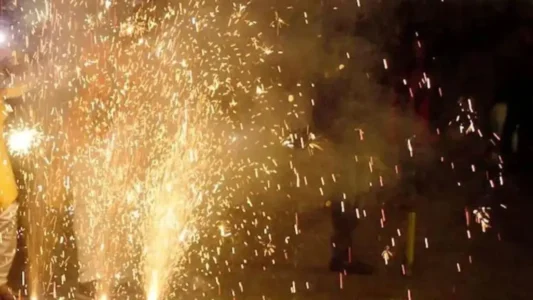
With Diwali underway, every neighbourhood is celebrating the ‘Festival of Lights’ with tradition, and good food and drink. Among its many aspects, the festival is incomplete without firecrackers and its effects of people’s health is known, but combined with the rising AQI, it can get worse for many vulnerable populations in the city.
Mumbai doctors say the smoke from the firecrackers particularly affects children, who are among those also bursting firecrackers, and parents need to beware. While some may prevent their children from bursting the crackers, others will need to pay more attention so that their health isn’t compromised.
Keeping this in mind, mid-day spoke to Dr. Gurudas Pundpal, Critical care Physician and Respiratory Medicine specialist at Holy Family Hospital in Bandra and Dr Abhijit Ahuja, Pulmonologist, Saifee Hospital in Mumbai. They highlight how the smoke from firecrackers affects children, and why parents need to take care of them and pay attention to symptoms during this Diwali.
With worsening AQI and bursting crackers during Diwali, how does this combined effect affect children?
Pundpal: Children’s lungs are not fully developed and more vulnerable to the impacts of pollution. A bad AQI with foul firecracker smoke results in higher inhalation of particulate matter by these young lungs, inflammation of the airways and causing cough, breathing distress and aggravating any pre-existing respiratory conditions such as Asthma.
Ahuja: There are three main ways that firecracker smoke and increasing AQI impact children:Firecracker smoke and rising AQI levels have three primary impacts on children:
Children breathe more rapidly and inhale a greater volume of air per kilogram of body weight than do adults. When combined with winter smog, the emissions from firecrackers fill their lungs with fine particles (PM 2.5 and PM 10), SO2, NO2 and toxic heavy metals such as barium, copper and strontium. This combination causes acute inflammation, constricts the bronchi, decreases gas exchange and may cause lifelong damage to the lungs.
What are some of the signs and symptoms that parents should look out for to know if their children are affected by the smoke?
Pundpal: Some of the symptoms and signs are: cough, sneezing, sore throat, inflamed eyes, wheezing, difficulty breathing, a tight chest and tiredness. For most people with asthma may have an increase need for inhaler medicines or frequency and intensity of Asthma attacks
Ahuja: Be alert for early signs of irritant symptoms as well as more severe respiratory distress:
Moderate: A persistent dry cough along with irritated or swollen throat, hoarseness, sneezing, running nose and red, watery or itchy eyes.
Severe/Lower Airway: Wheezing (whistling sound when breathing), shortness of breath, chest tightness, unusually rapid breathing and lethargy or difficulty speaking in full sentences.
Are children more vulnerable to worsening AQI than adults and elders? Are children also most affected during Diwali?
Pundpal: Yes, kids are more at risk because their lungs and immune system are not fully developed. They also inhale more air per kilogram of their body weight and spend more time outside. The elderly are also at more risk especially those with pre-existing respiratory conditions.
Ahuja: Children are more vulnerable than healthy adults, for their lungs and immune systems are developing and, during inflammation, their narrow airways close up far more quickly. The children are at the greatest risk of acute respiratory crisis, new onset of asthma and diminished pulmonary capacity during Diwali, while the frail elderly are at the highest risk of heart attacks and stroke.
Combined with smoke from crackers, does it make it worse for them?
Pundpal: Yes. The hazardous particles in firecracker smoke further adds to the pollution already present in our environment. This results in more inflammation and irritation of the airways, which could lead to increased symptoms, especially in asthmatic, allergic and other lung diseased children.
Ahuja: Yes, significantly. Dust, vehicle exhaust and biomass smoke are the major sources of background winter AQI. Chemical pollutants and heavy metals, released by firecrackers, are highly concentrated, reactive, and released at ground level. This chemical load takes away the protective mucosal lining of the airways, and makes the effect of the environmental pollution much more harmful.
Which children are the most vulnerable to AQI? Which children can get affected due to the combined effect?
Pundpal: Some children are more susceptible to third hand smoke than others. It particularly poses a danger to children with respiratory problems such as asthma, bronchitis, allergies or other respiratory diseases. Even unborn Fetus and premature infants and those with existing heart or lung disease are also at an elevated risk.
Ahuja: Respiratory conditions and diseases: Children who have asthma, allergic bronchitis and recurrent wheezing.
Health problems: Premature birth, birth defects in the heart, or poor body immune system.Infants and toddlers (under the age of 5):Their airways are very small and you don’t want any inflammation of them because it’s so dangerous.Active school-aged children: Acute airway hyperreactivity and bronchitis can occur in otherwise healthy children when they are exposed to outdoor environments for prolonged periods of time without protection.
How can parents prevent children from getting affected by AQI and smoke this Diwali?
Pundpal: Limit outdoor exposure when AQI is not good, particularly during the fireworks time. Close the windows and doors while outdoor pollution levels are high. Use an air purifier at home if possible. Use mask to prevent exposure to smoke and ensure children remain well-hydrated.
Ahuja: Prevention strategies for parents:1. Stay indoors: Limit children’s outdoor activities, sports, morning walks, particularly during the hours when the smog is most concentrated (typically between 10 a.m. and 7 p.m.).2. Close indoor air: Close doors and windows during peak hours. Use HEPA air purifiers in bedrooms; steer clear of ozone producing filters. If there is none, it can be done using the air conditioner.3. Wear high filtration masks: If children need to go outside, put on a snug N95 or well-fitting pediatric particulate mask; do not use simple cloth or surgical masks to filter toxic smoke.4. Hydration and nasal care: Ensure they have good hydration to help reduce the thickness of mucous secretions and nasal saline sprays or rinses to remove trapped particulates from the upper airways.5. Keep action plans: Prescribed inhalers and spacers (or nebulisers) should be available for children with asthma and preventative medication should be taken as prescribed.
When should parents take their children to the doctor?
Pundpal: If your child has cough not responding to treatment, wheezing, breathlessness or chest tightness becomes a problem, parents should seek medical advice. If the child is having very difficult breathing, bluish lips or trouble talking or breathing, get emergency medical help as soon as possible.
Ahuja: It is important to know when to get urgent medical help and here are the seven “red flags” to look out for:1. Persistent, uncontrollable coughing or loud wheezing that does not get better.2. Chest retractions (skin sucking in between ribs, at base of throat, or under the rib cage during breaths).3. Flaring nostrils, grunting or breathing much faster than usual.4. A bluish or light orangeish color around the mouth, lips, tongue or fingernails.5. Very sleepy, unable to drink fluids or unable to speak sentences.
Lastly, how can authorities, housing societies, neighbourhoods and people at home ensure a clean environment after crackers are burst?
Pundpal: Firecracker wastes should not be dumped in streets rather it should be disposed of by the residences and communities in line with their responsibility. When cleaning, use wet cloth to avoid spreading the dust into the air. Authorities should monitor the air quality regularly, set acceptable norms of noise and pollution.
Ahuja: Only allow fireworks in the designated open areas, away from housing blocks; dampen down any areas of courtyards and open community grounds, before sweeping away debris to avoid ash/dust plumes.
Wet-mop floors (use damp microfiber cloths instead of dry-brooming) at Home. Wash curtains, clean window sills and balconies for harmful soot build up, and keep plants well watered indoors to collect settling dust. Do not burn incense sticks/agarbattis or mosquito coils in the house as it further pollutes the air.
Diwali 2026: Docs reveal why children are most vulnerable to respiratory issues