A joyful and effortless bonding experience between a mother and her newborn recently became a challenging journey marked by feeding difficulties, discomfort, and concerns about the baby’s growth due to a unique condition.
Diagnosed with tongue-tie at birth, the infant struggled to latch properly during breastfeeding, making feeding painful for the mother and affecting the baby’s ability to gain weight.
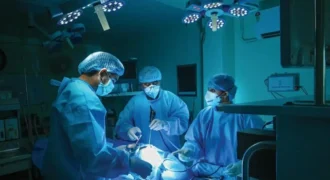
However, doctors in Pune came to the rescue to help the child and mother. THe multidisciplinary team comprising Dr. Abhinav Talekar, paediatric dentist, Dr. Abhimanyu Sengupta, senior consultant paediatrician, and Amrita Desai, lactation consultant at Ankura Hospital, conducted a carefully planned laser-assisted tongue-tie release. The procedure led to an immediate improvement in breastfeeding, bringing immense relief and reassurance to the family while supporting the baby’s healthy growth and development. The couple were delighted after the birth of their first baby boy. Unfortunately, shortly after birth, the baby was diagnosed with tongue-tie condition, in which the tissue connecting the tongue to the floor of the mouth restricts tongue movement. The infant had difficulty latching during breastfeeding, produced a clicking sound while feeding, and struggled to feed effectively. The mother also experienced discomfort and pain during breastfeeding. The doctors closely monitored the baby’s feeding pattern and growth.
Dr Talekar immediately initiated myofunctional exercises to improve tongue mobility and support better feeding. Despite consistent efforts and conservative management, the infant continued to face feeding challenges and showed inadequate weight gain. After a detailed assessment and exhausting myofunctional exercises, the team decided to proceed with a laser-assisted tongue-tie and lip-tie release under local anaesthesia. The Pune-based health dentist said, “Tongue-tie can affect an infant’s ability to breastfeed effectively. When a baby is unable to move the tongue freely, it can lead to poor latch, prolonged feeding sessions, maternal discomfort, and inadequate weight gain. In many cases, conservative measures such as feeding support, myofunctional exercises, and lactation guidance can be helpful. However, when these approaches do not provide adequate improvement, timely intervention becomes important to support both the baby’s growth and the mother’s breastfeeding journey.” He further added, “In this case, we worked closely with the family and a multidisciplinary team to ensure that every possible non-surgical option was explored before considering the procedure. Following the laser-assisted tongue-tie and lip-tie release, we observed an immediate improvement in the baby’s latch and feeding ability. After assessment from a Lactation Consultant and Paediatrician, tongue-tie release was done with the help of a laser exclusively designed for infants in painless and bloodless form. Over the following days, feeding became more efficient, maternal discomfort reduced significantly, and the baby began gaining weight appropriately. Seeing a baby feed comfortably and a mother regain confidence in breastfeeding is immensely rewarding. The procedure was completed successfully, and the mother was encouraged to breastfeed immediately afterward. The improvement was noticeable from the very first feed. In the days that followed, feeding became smoother and more effective, allowing the infant to receive adequate nutrition and continue growing healthily. Baby was discharged immediately in one hour after establishing latch and training the mother for the same. Our focus remains on delivering compassionate, specialized care that supports both children and parents throughout their healthcare journey.” “When we welcomed our baby, we never imagined that something as natural as breastfeeding would become such an emotional struggle. Watching our baby struggle to feed and not gain enough weight was heartbreaking, and it left us feeling anxious and helpless. Thanks to the doctors and lactation consultant at Ankura Hospital, our baby can now feed comfortably, and we finally have the peace of mind and confidence we had been hoping for. We are grateful for the timely care and support that changed our baby’s early journey for the better,” said the baby’s parents. Early diagnosis and collaborative care can make a meaningful difference in a child’s development and well-being during the critical early stages of a baby’s life.
Pune docs help newborn with unique condition feed again with laser treatment