The arrival of the monsoon is often welcomed with relief from the scorching summer heat. But while the rains bring cooler temperatures and lush greenery, they also usher in a less-discussed seasonal challenge: digestive discomfort.
Many people notice that during the rainy season they feel bloated more easily, experience sluggish digestion, lose their appetite, or become more susceptible to stomach infections. According to gastroenterologists, these symptoms are not merely coincidental. Changes in humidity, food contamination risks, and seasonal shifts in gut function can all influence digestive health.
This is where the ‘slow-cook philosophy’ comes in—a simple yet evidence-based approach that prioritises warm, cooked foods over raw salads, chilled beverages, and difficult-to-digest meals.
How humidity affects digestion
While most people associate digestion with what they eat, environmental factors also play a role. Dr Sujit Nair, consultant, medical gastroenterology, hepatology and endoscopy at KIMS Hospitals in Thane, explains that the digestive system is particularly sensitive during seasonal transitions. “During the monsoon, high humidity often coincides with fluctuations in atmospheric pressure. This influences gastrointestinal functions in subtle ways. Many people experience bloating, heaviness after meals, excess gas, reduced appetite and a general sense of improper digestion during this period,” says Dr Sujit.
According to him, humidity can influence the body’s thermoregulation and fluid balance, leading to slower gastric emptying. In simple terms, food remains in the stomach longer before moving into the small intestine.
“This delay can create a sensation of fullness and discomfort. The monsoon is also associated with a rise in gastrointestinal infections and low-grade inflammation. Even when enzyme secretion continues normally, digestive efficiency may decline because the gut is under greater stress,” he adds. As a result, foods that are heavy, greasy, highly processed or difficult to digest can feel particularly uncomfortable during damp weather.
Why raw salads become riskier during the monsoon
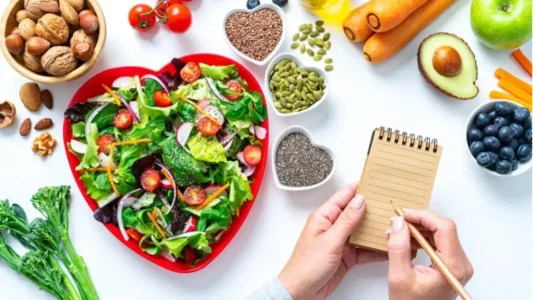
For many health-conscious individuals, salads are considered a staple. However, experts caution that the monsoon may be the one season when raw greens deserve a temporary break.
The issue isn’t the vegetables themselves, but the environment in which microbes thrive. “The damp and moist weather creates ideal conditions for microbial growth. Contamination can occur during cultivation, harvesting, transportation or storage,” warns Dr Sujit.
Leafy greens present a unique challenge because of their physical structure. “The folds, crevices and uneven surfaces of leafy vegetables provide hiding places for microorganisms. Even repeated rinsing may not guarantee complete elimination of pathogens,” he says.
Among the most common organisms associated with monsoon-related foodborne illnesses are Escherichia coli, Salmonella, Shigella and Campylobacter. These pathogens can cause diarrhoea, abdominal cramps, nausea, vomiting and fever.
According to Dr. Aashik Y S, associate consultant, medical gastroenterology at Manipal Hospital, Kanakapura Road, monsoon humidity can affect digestive efficiency while simultaneously increasing the risk of foodborne infections. “High humidity during monsoon has a major impact on digestive functions. As moisture inhibits the activity of gastrointestinal enzymes, raw greens can promote the growth of infections like Salmonella, Shigella and Campylobacter,” he observes.
Parasitic infections are also a concern. Organisms such as Giardia and Entamoeba may contaminate produce through polluted water sources. Viral pathogens including norovirus and hepatitis A can spread through improperly handled raw foods.
Dr Aashik points to epidemiological studies that have found positive associations between humidity, rainfall and outbreaks of bacterial gastroenteritis.
“The risk is not that every salad becomes unsafe, but that the margin for error narrows considerably during the monsoon,” notes Dr Sujit.
For individuals with inflammatory bowel disease, weakened immunity, recurrent gastrointestinal infections or sensitive digestive systems, cooked vegetables are generally a safer choice during this season. Gastroenterologists recommend reducing salads and consuming warm, cooked foods instead, to ensure optimal absorption of nutrients and gastrointestinal comfort during this time
The science behind warm, slow-cooked foods
If salads take a back seat during monsoon, what should replace them? The answer, according to gastroenterologists, lies in warm, cooked foods that place less burden on the digestive system. “Since part of the breakdown process is already accomplished through cooking, the gut requires less energy to process the food. This leads to greater comfort and smoother digestion.” says Dr Sujit.
Cooking softens plant fibres, making nutrients more accessible while reducing the effort required for digestion. It also eliminates many potentially harmful microorganisms. Aashik adds that cooked vegetables and grains remain excellent sources of fibre, vitamins and minerals while being significantly easier to digest. The goal is not to eliminate nutrition but to improve its availability and safety.
In fact, some nutrients become more bioavailable after cooking. For example, cooking carrots, spinach and other vegetables can enhance the availability of carotenoids—important antioxidant compounds that support immunity and overall health.
Why slow-cooked broths are soothing for the gut
Among all monsoon-friendly foods, slow-cooked broths may be the most underrated. These comforting bowls of nourishment offer hydration, electrolytes, amino acids and micronutrients in a form that is easy on the digestive tract.
“Slow-cooked broths are easily digested, hydrating and nutritionally dense without placing a heavy burden on the gut,” says Dr Sujit. Long cooking times gradually break down connective tissues and plant fibres into smaller, more absorbable compounds. In bone-based broths, this process releases amino acids such as glycine, glutamine and proline.
“These compounds help maintain the integrity of the intestinal lining and support tissue repair. Glutamine, in particular, serves as an important fuel source for intestinal cells,” Dr Sujit highlights.
Slow simmering also extracts minerals and creates gelatin-rich compounds that contribute to the broth’s soothing texture. While gelatin is not a treatment for digestive disorders, it may help support the mucosal barrier that protects the gastrointestinal tract.
Vegetable broths offer their own digestive advantages. Gentle cooking softens fibres while preserving valuable nutrients and reducing the likelihood of bloating. Adding ingredients such as ginger, garlic, turmeric and black pepper can further enhance digestive comfort while contributing anti-inflammatory plant compounds.
The power of carminative herbs and spicesOne of the defining features of traditional monsoon cooking is the use of warming spices. Modern research increasingly supports their digestive benefits.
Below, Dr Aashik highlights three carminative herbs and spices that have demonstrated gastrointestinal benefits in clinical studies:
GingerGinger contains gingerol, a bioactive compound known to stimulate digestive enzyme activity and support gastric emptying. According to Aashik, ginger encourages the release of pancreatic lipase and amylase, enzymes involved in the digestion of fats and carbohydrates. Research has also shown that ginger-fennel combinations can help reduce bloating and improve digestive comfort.
FennelFennel seeds contain essential oils such as anethole and fenchone, which act on gastrointestinal smooth muscle receptors. These compounds possess antispasmodic properties and help support healthy gut motility.
CuminCumin contains aromatic oils that influence gastrointestinal motility and may help reduce gas formation. Its widespread use in traditional cooking aligns with its scientifically observed digestive effects. “These are not merely home remedies. They are medicinal substances with clinical research supporting their gastrointestinal benefits,” says Dr Aashik. Adding these spices to soups, dals, broths and cooked vegetables can be a simple way to support digestion during humid weather.
Transitioning away from a raw diet without constipation
For individuals who rely heavily on salads and raw vegetables, switching suddenly to cooked foods can feel daunting. The good news is that experts do not recommend eliminating fibre. Instead, they suggest changing its source and form.
Aashik recommends a gradual transition that allows the gut microbiome time to adapt. Research has shown that gut bacteria can respond rapidly to dietary changes, but abrupt shifts may cause temporary digestive disturbances. To maintain regularity while reducing raw foods, he suggests focusing on soluble fibre-rich cooked foods such as:1. Oats2. Brown rice3. Lentils4. Well-cooked legumes5. Sweet potatoes6. Cooked vegetables
Hydration is equally important. “Drink warm water throughout the day. Cooked fibre absorbs water differently, and adequate hydration helps maintain bowel regularity,” he advises. Fermented foods can also support the transition. Foods such as yoghurt and idli provide beneficial microbes that help maintain microbial balance while dietary patterns shift.
Monsoon-friendly alternatives to salads
If you’re looking for practical replacements for raw salads, gastroenterologists recommend:
1. Lightly steamed spinach with ginger2. Warm beetroot and carrot soup3. Boiled sweet potatoes4. Chickpea preparations5. Vegetable broths6. Lentil soups7. Lightly sautéed seasonal vegetables8. Warm grain bowls with cooked vegetables
These foods provide fibre, vitamins, minerals and antioxidants while reducing infection risk and improving digestibility.
The bottom line
The slow-cook philosophy is not about abandoning healthy eating. Rather, it is about adapting nutrition to seasonal realities. As humidity rises and foodborne pathogens become more prevalent, warm cooked meals offer a practical way to support digestion, improve nutrient absorption and reduce gastrointestinal discomfort.
“Humidity during monsoons slows digestion and increases infection risk in raw meals. Warm, prepared foods with ginger, fennel and cumin support enzyme performance, nutritional absorption and gut comfort while still providing essential fibre and nutrients,” outlines Dr Aashik.
Whether it’s a steaming bowl of vegetable broth, a comforting lentil soup or lightly cooked greens seasoned with digestive spices, embracing slower, warmer meals during the monsoon may be one of the simplest ways to keep your gut healthy throughout the rainy season.
Follow these nutrition expert tips for better digestion during monsoon