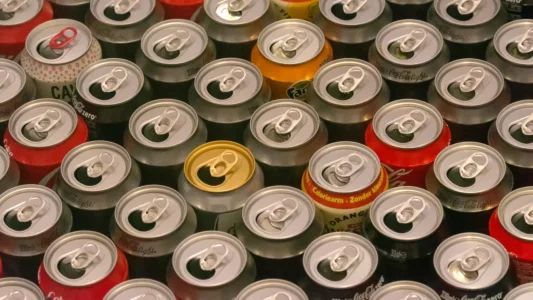
The recent nationwide shortage of Diet Coke launched a thousand memes and viral reels across Indian social media. As zero-sugar beverage sales hit a five-year high in 2026, the public conversation has rapidly shifted from gym floors to clinical laboratories. Driven by an urgent desire to dodge the traditional ten-teaspoon sugar trap, millions of health-conscious Indian consumers have turned to diet sodas as a seemingly guilt-free lifestyle choice.
However, leading medical experts warn that looking strictly at calorie counting misses a much larger physiological cost. The reality behind these synthetic beverages involves a highly complex neuro-chemical bait and switch. Gastroenterologists and neurologists break down how artificial sweeteners trigger digestive distress, alter insulin responses, and can trap consumers in a vicious sugar craving cycle.
The neuro-chemical bait and switch
To the human tongue, non-nutritive artificial sweeteners like aspartame, sucralose, or acesulfame potassium deliver a massive, immediate burst of flavour. These chemical compounds possess sweetness potencies that exceed regular cane sugar by hundreds of times. But while your tongue registers a massive influx of sweetness, your digestive system ultimately receives zero energy.
“The brain is heavily influenced by expectation and reward signals. When artificial sweeteners activate sweet taste receptors on the tongue, the brain anticipates an incoming source of energy in the form of glucose. However, when those calories never arrive, it creates what neuroscientists often describe as a `reward mismatch` or `neuro-chemical bait and switch,” explains Dr. Sheetal Goyal, consultant neurologist at Wockhardt Hospitals, Mumbai Central.
She outlines how this persistent mismatch impacts our internal neurochemistry and behavioural psychology in specific ways:
Disrupted reward circuitry: The lack of incoming calories directly interferes with the brain’s dopamine-driven reward pathways, particularly in the deep neurological regions linked to motivation, craving, and appetite regulation.
Persistent biological hunger: Instead of satisfying a sweet tooth, regular exposure to these calorie-free alternatives reduces overall satisfaction after eating. Because the neural expectation of energy was unfulfilled, it drives individuals to seek out calorie-dense foods later in the day.
Decoding the cravings: The glucose mismatch loop
The physiological mechanism driving afternoon sugar cravings comes down to how our reward pathways are built. The human brain associates sweetness with a survival reward: energy. When you consume something intensely sweet but calorie-free, the dopamine pathways fire up in anticipation, preparing the body to process a heavy glucose load.
When that glucose never shows up, the brain is left biologically unsatisfied. Dr. Vijay Negalur, head of department, diabetology at KIMS Hospitals, Thane, notes, “This specific mismatch may leave the brain partially unsatisfied, potentially increasing cravings for carbohydrates or sugary foods later. Effectively creating a hidden backfiring effect: the neurochemical panic over missing calories triggers downstream cravings for quick-burning carbohydrates and actual sugars later in the day.” This explains why certain people continue struggling with weight management despite entirely switching to diet products—they save calories in the morning only to unconsciously overconsume real sugar by nightfall.
The metabolic confusion: Overriding evolution
Human biology evolved over millennia to understand that a sweet taste serves as a reliable environmental signal for fast-burning caloric energy. When modern food chemistry breaks that evolutionary link, our underlying metabolic systems begin to experience long-term confusion.
Cephalic phase insulin releaseOne of the most intensely debated areas of metabolic research is cephalic phase insulin release—an anticipatory bodily reflex where the nervous system signals the pancreas to prepare to handle incoming glucose simply because the tongue detects sweetness. According to Goyal, “In some individuals, the sweet taste itself may stimulate neural pathways connecting the brain, gut, and pancreas, potentially leading to a small insulin response despite the absence of actual calories.”
Long-term metabolic consequencesMetabolic confusion: The core medical concern is not a singular, dramatic insulin spike, but rather the chronic, long-term confusion created when the body repeatedly expects glucose that never arrives. Emerging evidence suggests this mismatch may influence baseline insulin sensitivity over time.
Complex pathways: Negalur emphasises that the body’s metabolic system is far more complex than simply counting calories. Sweet tastes activate interconnected hormonal, neurological, and digestive pathways that evolved exclusively to process energy intake.
Unconscious compensation: Behavioural psychology further complicates the metabolic equation. Consumers frequently overeat elsewhere in their daily diet, unconsciously eating larger portions because they perceive artificial sweeteners as a healthier choice that saves them calories.
The Indian consumer context: Fast food and gut distress
In the unique Indian consumer setting, diet sodas are rarely ever consumed in isolation. Instead, they are deeply woven into modern urban dining patterns, acting as a functional wash-down for spicy fast foods, deep-fried snacks, burgers, pizzas, chips, and ultra-processed meals loaded with high salt content, unhealthy trans fats, and chemical additives.
Dr. Rohan Badave, consultant in medical gastroenterology at Manipal Hospital, Goa, stresses that this specific combination is an absolute disaster for human digestion and gut stability, leading to several overlapping issues:
Stomach irritation and acidity: The heavy consumption of highly carbonated diet beverages leads to acute stomach irritation. This irritation results in excess gastric acid production, causing severe acidity, acid reflux symptoms, bloating, belching, and chronic abdominal discomfort.
Reduced gut motility: Combining these acidic, carbonated drinks with high-fat, oily foods causes a severe reduction in gut motility (the speed at which food moves through the digestive tract). This causes a prolonged sensation of heaviness, indigestion, and heightened gastric symptoms.
Gut dysbiosis: Artificial sweeteners aggressively disrupt the normal functioning of beneficial gut bacteria. Badave points out that aspartame, which ranks among the most widely used sweeteners in diet sodas, is routinely linked to flatulence, altered bowel habits, and localised abdominal discomfort.
Systemic inflammation: Over an extended period of time, an unhealthy, corrupted gut environment breeds low-grade systemic inflammation. Scientists now directly connect this chronic inflammation with the development of obesity, type 2 diabetes, metabolic syndrome, and structural digestive illnesses.
Distorting the sweetness threshold
Continuous exposure to exaggerated artificial sweetness doesn`t just confuse your metabolism; it actively retrains your sensory nervous system. Because these chemical compounds are intensely sweeter than natural sugar, they steadily raise the brain`s baseline sweetness threshold.
Numbing natural flavours: As Badave notes, this continuous sensory numbing makes naturally sweet, whole foods such as fresh fruits taste completely bland, unappealing, or unsatisfying by comparison.
The craving cycle: This sensory distortion traps the consumer in a vicious psychological cycle. As natural flavours lose their appeal, the brain begins to demand increasingly intense, highly concentrated, ultra-processed sweet foods containing high sugar content just to achieve a baseline level of satisfaction.
The path to recovery: A clinical reset
For daily diet soda drinkers who rely on the combination of caffeine, carbonation, and intense sweetness for a temporary energy boost or stress relief, stopping cold turkey can be incredibly challenging. Fortunately, our sensory and metabolic systems are highly adaptable if given a clear, structured period to recover.
Dr. Mithila Kudchadkar from the health check department at Manipal Hospital, Goa, strongly recommends a structured, gradual step-down approach rather than sudden cessation to reset the body safely:
“A clinical `reset` needs people to follow specific diet rules. Heavy users should decrease their diet soda consumption through a process, which involves taking less of it at specific times. Someone who drinks three cans of soda each day should decrease his intake to one can with an extra two to three weeks to complete this process while he consumes better drinks.”
This gradual reduction strategy helps decrease the body`s acute reliance on caffeine, shielding the patient from various withdrawal symptoms, including debilitating tension headaches and chronic fatigue.
The healing timeline
According to Kudchadkar, the human sensory system and brain require a predictable, phased timeline to heal, adapt, and successfully retrain taste preferences:
Weeks 2 to 4 (receptor calibration): The taste receptors of most people, alongside their craving behaviours, start altering significantly. After stopping artificial sweeteners for this brief period, natural foods become sweeter, their subtle flavours become more potent, and they become far more satisfying.
Weeks 6 to 8 (behavioural mastery): By this stage, most individuals achieve two major clinical results: a significantly decreased biological need for hyper-sweet drinks and vastly improved self-control over general snack, carbohydrate, and sugar consumption.
Managing cravings during the reset phase
During this critical biological transition, daily lifestyle adjustments play a massive role in conquering underlying physiological triggers:
Proper hydration: The human brain frequently confuses the symptoms of mild dehydration and fatigue with actual sugar craving needs. Increasing pure water intake significantly dampens the immediate urge for sodas.
Rest and routine: Consistently combining proper hydration with better sleep hygiene and tightly scheduled meal times helps stabilise overall energy levels. This prevents the sharp energy drops that cause people to seek out artificial sweet drinks.
Healthy sensory alternatives
For many individuals, the specific craving is not just for sweetness, but for the distinct physical sensation of carbonation. Patients can easily seek out healthier alternative options that provide the exact same sensory experience without harming their metabolic functions or intestinal health. The safest, most effective choices include:
Plain sparkling water: Infused with fresh, natural slices of lemon, mint, cucumber, or orange. This delivers the exact crisp, refreshing carbonation your brain craves while keeping excessive sweeteners and synthetic additives completely out of the body.
Traditional Indian homemade drinks: The Indian context offers excellent, nutrient-dense alternatives such as lightly spiced buttermilk (chaas), herb-infused waters, fresh lime soda made completely free of artificial commercial syrups, and unsweetened, fresh coconut water.
Moderated transitional drinks: Herbal iced teas, naturally flavoured soda waters, and traditional kombucha can be safely consumed in moderation to assist those who want to stop drinking diet sodas. The ultimate objective involves retraining taste preferences while decreasing reliance on extremely sweet flavours.
Moderation and mindset
The medical consensus spanning gastroenterology, neurology, and diabetology is clear: replacing refined sugar with chemical alternatives is not a metabolically neutral health choice. While researchers emphasise that there is currently no direct or conclusive evidence proving that occasional diet soda consumption causes cancer in humans, heavy long-term consumption remains a profound risk factor for metabolic decline.
“Moderation is important. Occasional use is unlikely to cause major harm in most healthy individuals. But relying heavily on ultra-processed `diet` foods while ignoring sleep, exercise, stress, and overall nutrition may not improve long-term metabolic health,” concludes Negalur.
Ultimately, the goal of a true health journey is not to discover a clever chemical loophole—it is to retrain our taste buds, stabilise our natural eating patterns, and eliminate our reliance on exaggerated sweetness altogether.
The zero-sugar illusion: Decoding India’s diet soda obsession