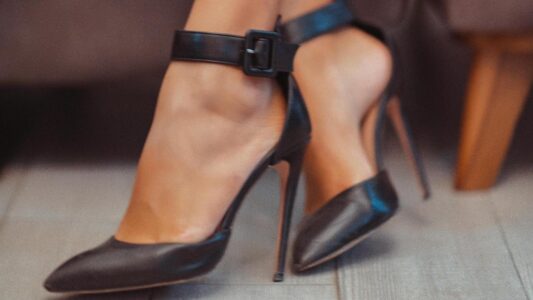
Even as women are busy balancing their work goals and personal life, Mumbai doctors are raising concerns about the increasing number of young working women developing Varicose Veins due to prolonged standing hours, sedentary work routines, pregnancy, and frequent use of high heels.
Women working in professions such as healthcare, teaching, hospitality, retail, aviation, and corporate sectors are increasingly reporting symptoms related to poor vein health at a younger age. Many women continue to ignore early warning signs such as leg pain, heaviness, swelling, cramps, itching, and visible blue or twisted veins, assuming them to be temporary discomfort caused by work stress or fatigue.
What is Varicose Veins?
Varicose Veins are enlarged, swollen, and twisted veins that usually appear on the legs due to poor blood circulation and weakened vein valves.
Causes and Symptoms of Varicose Veins
Common causes include prolonged standing or sitting, pregnancy, obesity, aging, lack of exercise, family history, and frequent use of high heels. Symptoms may include leg pain, heaviness, swelling, cramps, itching, burning sensations, and visible blue or bulging veins. If ignored, varicose veins can lead to complications such as skin discoloration, ulcers, blood clots, bleeding, and chronic venous insufficiency.
Mumbai doctors on Varicose Veins
Dr Javed Tadvi, who is the interventional radiologist, Apollo Spectra Hopsital in Mumbai says, “Veins in the legs are responsible for carrying blood back to the heart. However, standing continuously for long periods or sitting for extended hours can affect proper blood flow and increase pressure inside the veins. Wearing high heels regularly may further worsen the condition because it reduces normal calf muscle movement, which plays an important role in pumping blood upwards from the legs.”
Dr Tadvi further added, “There is nearly a 40 per cent increase in young women who are 25-40 years of age coming with symptoms linked to varicose veins and poor vein circulation. Every month, around 4 out of 10 women complain of leg heaviness, swelling, visible veins, cramps, and discomfort after long working hours. Women who wear high heels frequently or stand continuously for several hours at work are at higher risk because blood circulation in the legs becomes affected over time. Pregnancy is another major factor, as hormonal changes and increased blood volume place extra pressure on the veins. Unfortunately, many women ignore these symptoms initially, which may later lead to worsening pain, skin discoloration, ulcers, or chronic venous insufficiency.”
Lifestyle changes to avoid Varicose Veins
Simple lifestyle changes can help women protect their vascular health and reduce the risk of complications. “Women should avoid standing or sitting continuously for long periods and must take short walking or stretching breaks every hour. Maintaining a healthy weight, exercising regularly, staying hydrated, elevating the legs after work, and avoiding very high heels for prolonged durations can significantly improve blood circulation. Pregnant women and women with a family history of varicose veins should be even more cautious and seek medical advice if they notice swelling, pain, or visible veins. Early diagnosis and timely treatment can help prevent long-term vein-related complications and improve overall quality of life,” says Dr Tadvi.
Dr Dharmik Bhuva, who is the consultant vascular and neuro interventional radiologist, Zynova Shalby Hospital in Mumbai highlights, “There is a 20 per cent rise in younger women seeking treatment for early-stage varicose veins, especially among those working long shifts in standing professions or sedentary desk jobs. Around 2 out of 10 women 25 -40, who visit every month, have symptoms like leg fatigue, swelling, night cramps, or visible veins after prolonged work hours. Many delay medical consultation because they consider these symptoms temporary. However, ignoring vein problems for a long time can affect daily mobility, cause chronic discomfort, and increase the risk of complications such as skin damage and blood clots. So, exercise daily to maintain a healthy weight, stay hydrated, don’t sit or stand for too long.”
Beware! Your high heels are raising risk of you suffering from varicose veins